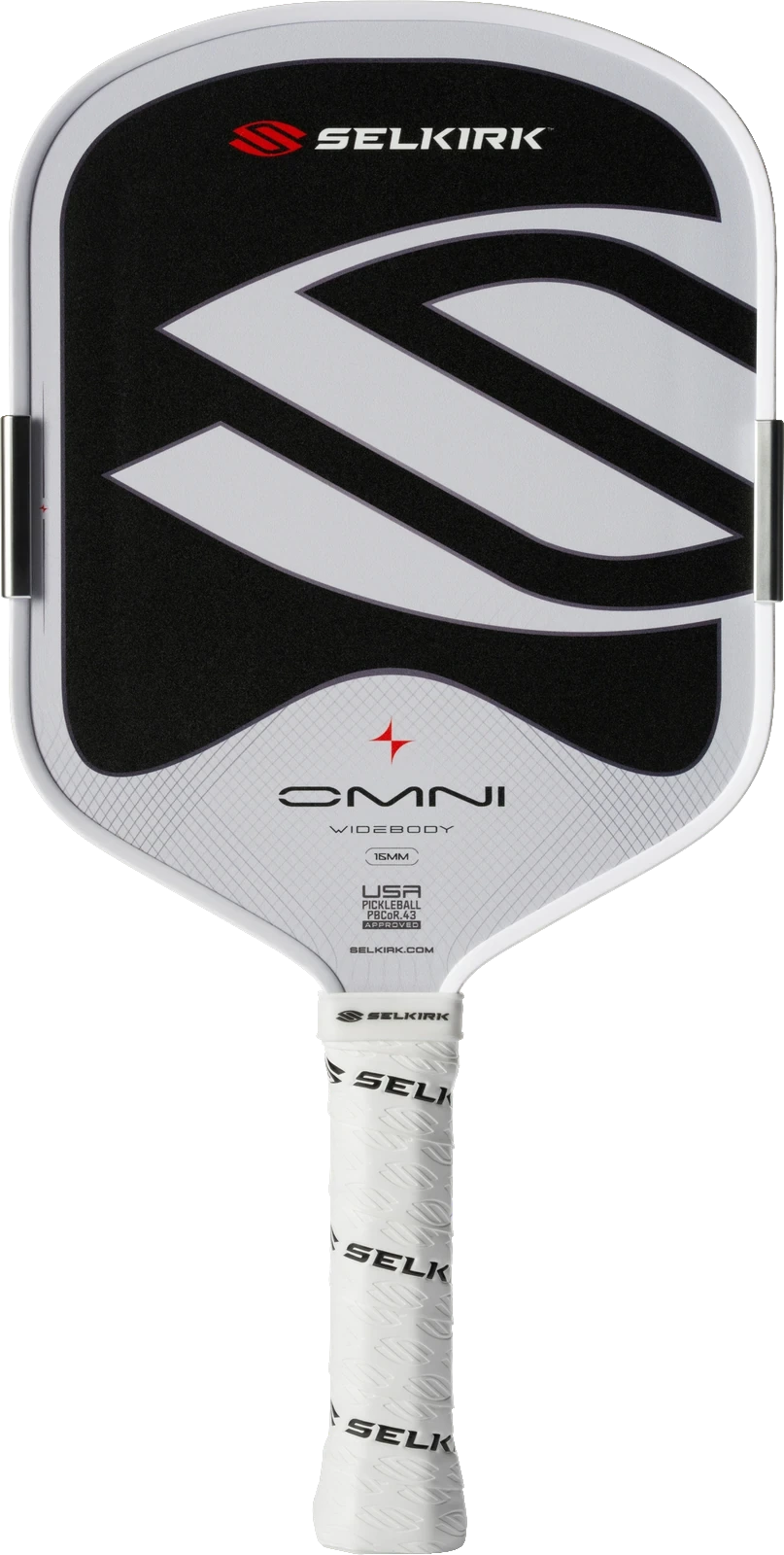
The first time I played with the Selkirk OMNI, the guy across the net was the club's teaching pro. Two games in, he asked me if this was the hottest paddle I'd ever played with. That threw me, because it's an all-court paddle, and on my side of the net it felt like one. Calm, plush, nothing about it said it was going to hurt anybody. On his side of the net, he was feeling the power.
I usually reach for power, and I add tape to every paddle I own. The OMNI let me tune it without the tape, which is most of why I liked it on day one. It's a Boomstik with more control and weights that actually move. It's also $300, and the face doesn't hold up. Both of those things are true at once.
The weights finally move
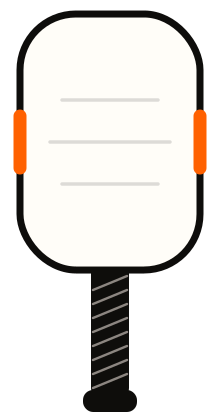
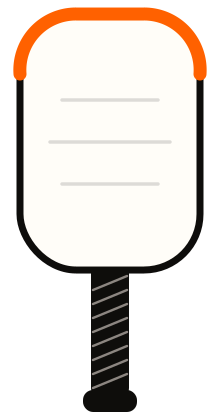
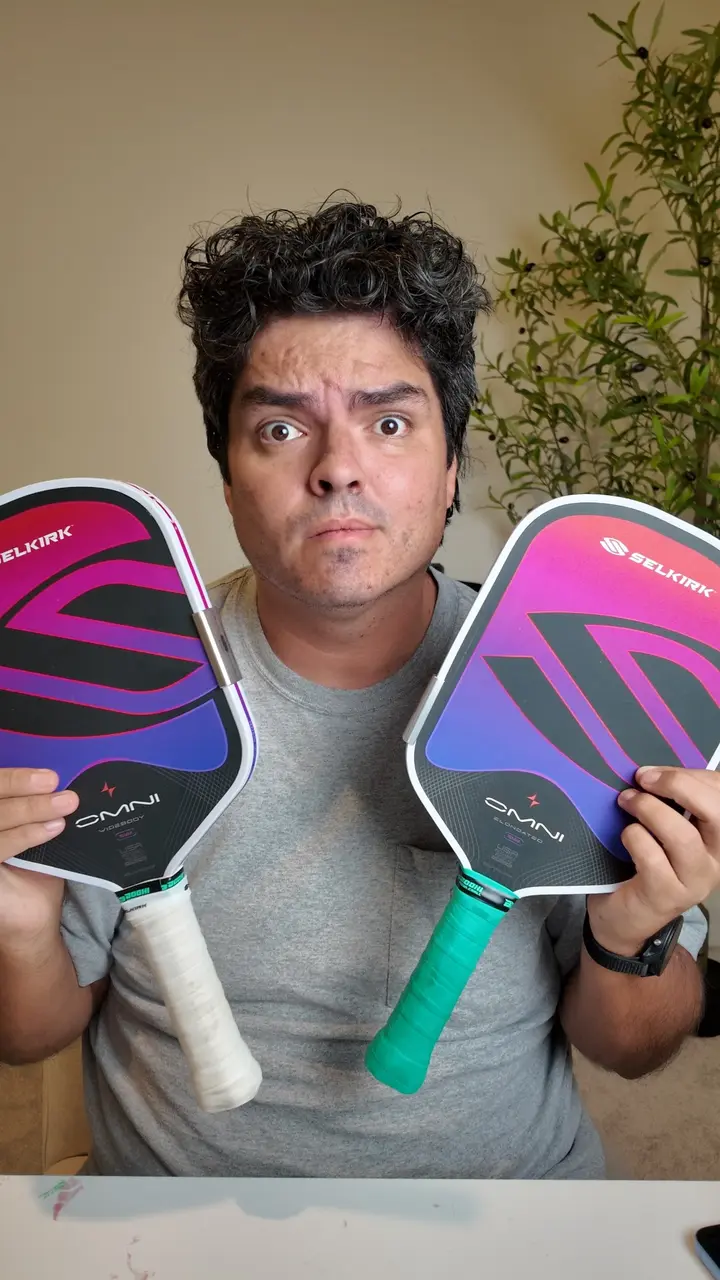
The Boomstik had MOI weights too. I thought they were a gimmick, mostly because you could take them off but not put them back. The OMNI ships with two perimeter weights you can pull and re-seat by hand, with marks on the face showing where the factory put them. Reviewers who weighed them put each one at about 7.5 grams.
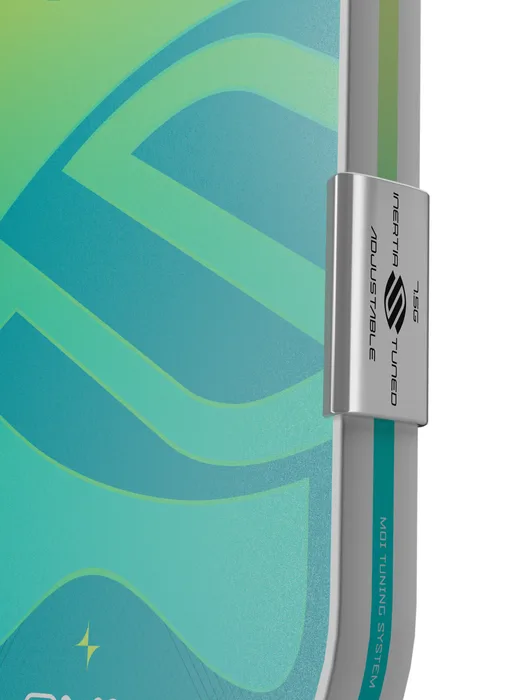
I don't run the same setup on both shapes, and that's the point of the system.
On the Elongated, I moved the weights down toward the throat in my first session, and the paddle got better right away. The Elongated already carries a lot of swing weight out at the tip. Pulling the weights closer to your hand keeps the mass but lowers the swing weight, so your hands get quicker at the kitchen without the paddle feeling light on a drive.
On the Widebody, I left them in the middle of each side, at the widest part of the face. The Widebody already swings light, so there's no swing weight to shed. Weight at the edges is what makes a face resist twisting, which makes the sweet spot feel bigger. On a shape that's already the more forgiving of the two, that's the setting that leans into what it does best.
Other people got more creative. At the Bread & Butter Nerdy Tournament, a weekend where a bunch of us paddle reviewers played the same event, I saw OMNIs with the weights at the very top, OMNIs with the weights at the very bottom, and at least one OMNI wearing more than two weights, which I respect and do not recommend. If you're worried about wearing out the mounts, Chris Olson from Pickleball Studio pulled the weights off and put them back on 100 times with no problem.
Quick translation, since the spec rail throws two numbers at you. Swing weight is how heavy the paddle feels moving. Higher means more power and slower hands. Twist weight is how hard the face fights twisting when you miss the center. Higher means a bigger sweet spot. The weights move both.
Power you don't see coming
Here's the strange part. Everything about how the OMNI feels says touch paddle, and then the ball leaves the face harder than you planned.
The lab numbers explain it. Selkirk lists the Elongated at a 118 swing weight, and the independent labs measured it at 121 to 122, which is high. That's a lot of momentum behind the ball from a paddle that never feels like it's working. John Kew still has the Boomstik as the hotter paddle, about 2 mph faster on serves and 1 mph faster on punch volleys. So this isn't a power paddle in disguise. It's an all-court paddle that plays above its weight class, which is how a teaching pro ends up asking you about it after two games.
At the Nerdy Tournament, players could pick almost any Bread & Butter or Selkirk paddle for the weekend, and most of the people I saw were playing the OMNI. Some of that is probably because it was new. I also think a lot of people just liked it.
I liked it more in the Widebody. Most of the all-court paddles I love are hybrids or widebodies, and the Widebody OMNI's 7.9 twist weight (Selkirk's number; the labs measured 7.7 to 8.0) makes off-center blocks stay where you point them. The Elongated hits harder. The Widebody is the one I'd actually play.
Where it lets you down
The face. The OMNI uses the same InfiniGrit surface as the Boomstik, and it was great for a few games. Then it smoothed out, and spin went with it.
I'm not the only data point. Kew's database puts the OMNI's grit in Tier 3 for spin durability, the same tier as the Boomstik. When he cannon-tested InfiniGrit on Selkirk's older Luxx 2, it lost 13.2% of its spin in 100 shots. The permanent grits he tested alongside it lost 3.5 to 4.5%. Selkirk has already announced a successor surface, InfiniGrit Ultra, which tells you something.
The warranty doesn't help here. It's lifetime in the U.S. and it covers real defects, but it specifically excludes textures wearing down over time. The one problem I have with this paddle is the one problem the warranty won't touch.
Then there's the price. At $300, the OMNI is competing with paddles that cost $80 less and keep their grit. That's the gap the rest of this paddle has to close, and for me it doesn't quite get there.
How it stacks up
- vs. Selkirk Labs Project Boomstik: the OMNI is the Boomstik with a softer hand and weights you can actually move. Kew has the Boomstik hotter on every power number, and both faces sit in the same grit tier. If you want the put-away, the Boomstik. If you want to win the soft game too, the OMNI.
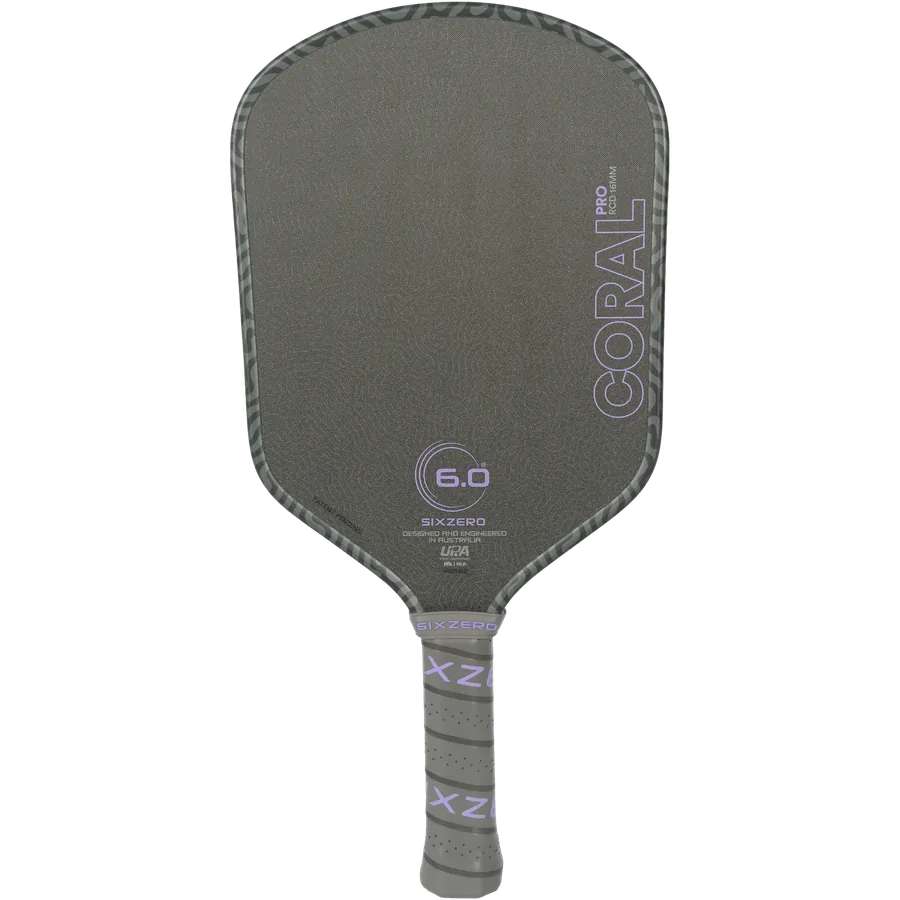
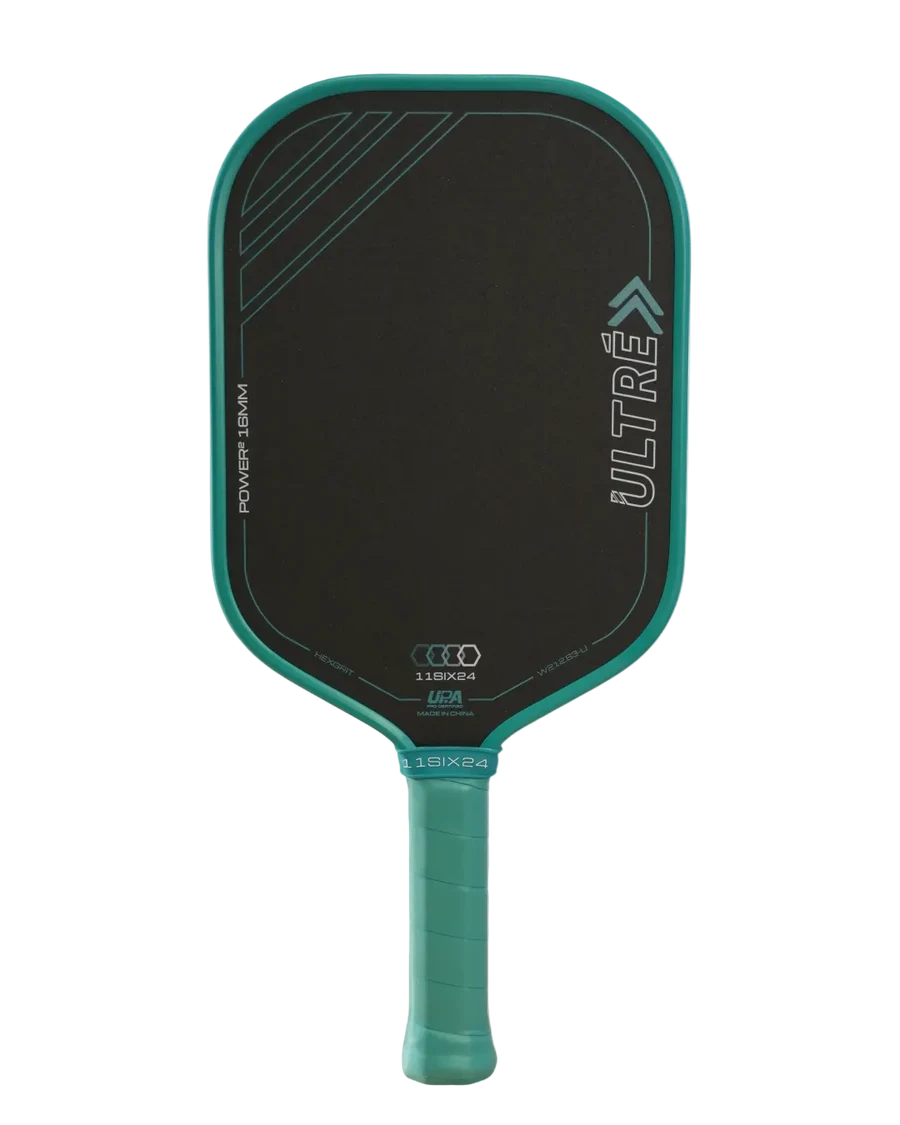
- vs. Six Zero Coral Pro ($220): the
all-court benchmark, and the paddle I'd buy instead at this price. The
Coral Pro's face is Tier 1 on Kew's wear test. The OMNI hits harder and
has the weights. If grit matters to you, and it should at $300, take the
Coral Pro and keep $80.
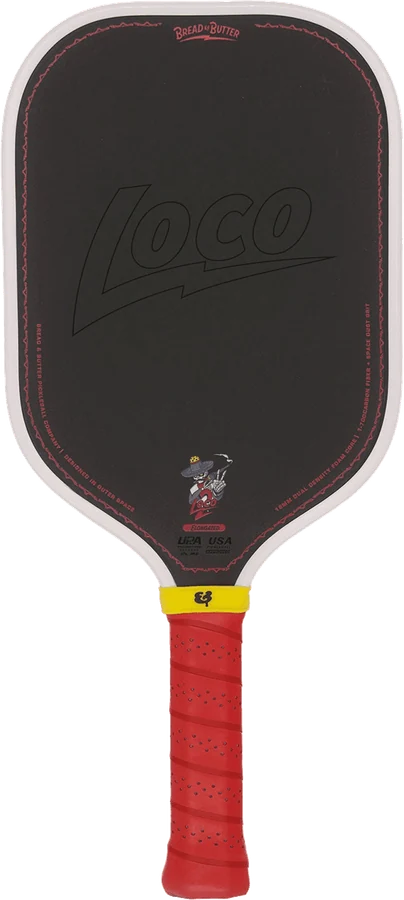
Compare them side by side - vs. Bread & Butter Loco 2 ($220):
same parent company, since Selkirk bought Bread & Butter in May. The Loco 2
is the louder power paddle and costs $80 less. The OMNI is the better
paddle at the kitchen.
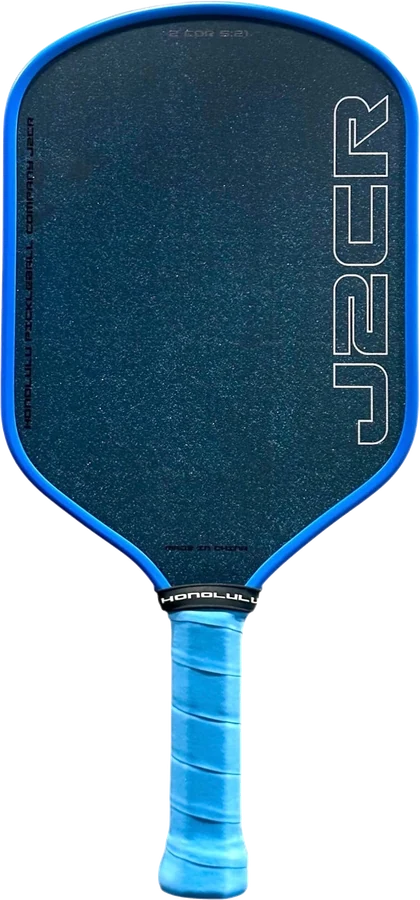
Compare them side by side - vs. Honolulu J2CR Crystal Blue
($195): the hybrid shape I keep wishing Selkirk made. Similar all-court
balance, Tier 1 grit, $105 less. Unless you need the weights, the J2CR is
the smarter buy.
Compare them side by side
Who should buy it
You're a 3.5 to 4.5 player who came up driving everything and are now admitting the kitchen is where games get won. You want a paddle that still lets you bang when the ball sits up, and you want to tune it yourself instead of buying lead tape by the roll. Get the Widebody.
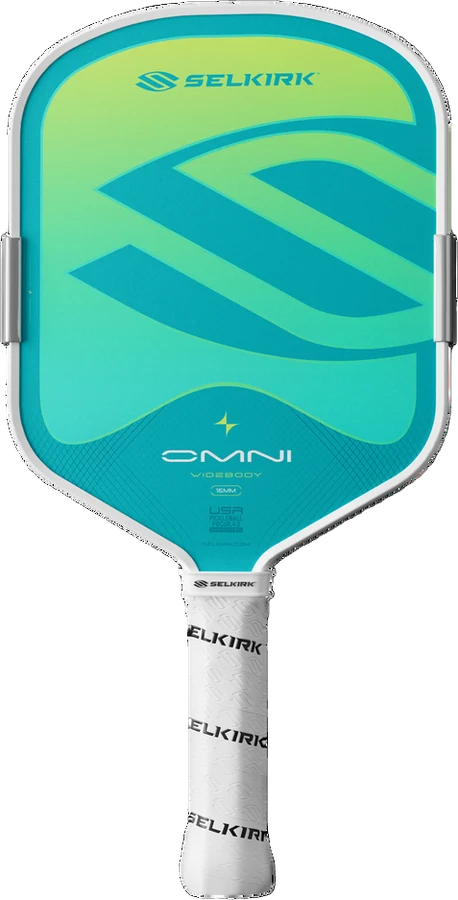
Skip it if you want the grit to last as long as the paddle, or if $300 is real money. Selkirk only makes the OMNI in Elongated and Widebody, and I'd love a hybrid. The Widebody is the closest you'll get today. It's also, as always with Selkirk, one of the best-looking paddles on the court. The Calypso and Canyon Clay colorways are my favorites, and they're worth a look even if you buy something else.
How I tested
Thirty-two hours total: 19 on the Elongated (weights moved toward the throat) and 13 on the Widebody (weights in the middle of each side), both 16mm, across rec doubles, competitive doubles and the Bread & Butter Nerdy Tournament. This review gets updated if the face changes on me.
I don't own a bench rig. The rail lists Selkirk's published specs, and the spin figure averages the Widebody measurements from John Kew and Matt's Pickleball. Swing and twist weight ranges come from Kew, Matt's and Pickleball Studio. Grit durability comes from Kew's database and his permanent grit test.
Selkirk sent this review unit, paid me for a sponsored OMNI video in June, and is an affiliate partner. Code INF-NICOTHELEFTY gets you a gift card with purchase. Selkirk didn't see this review before you did.